
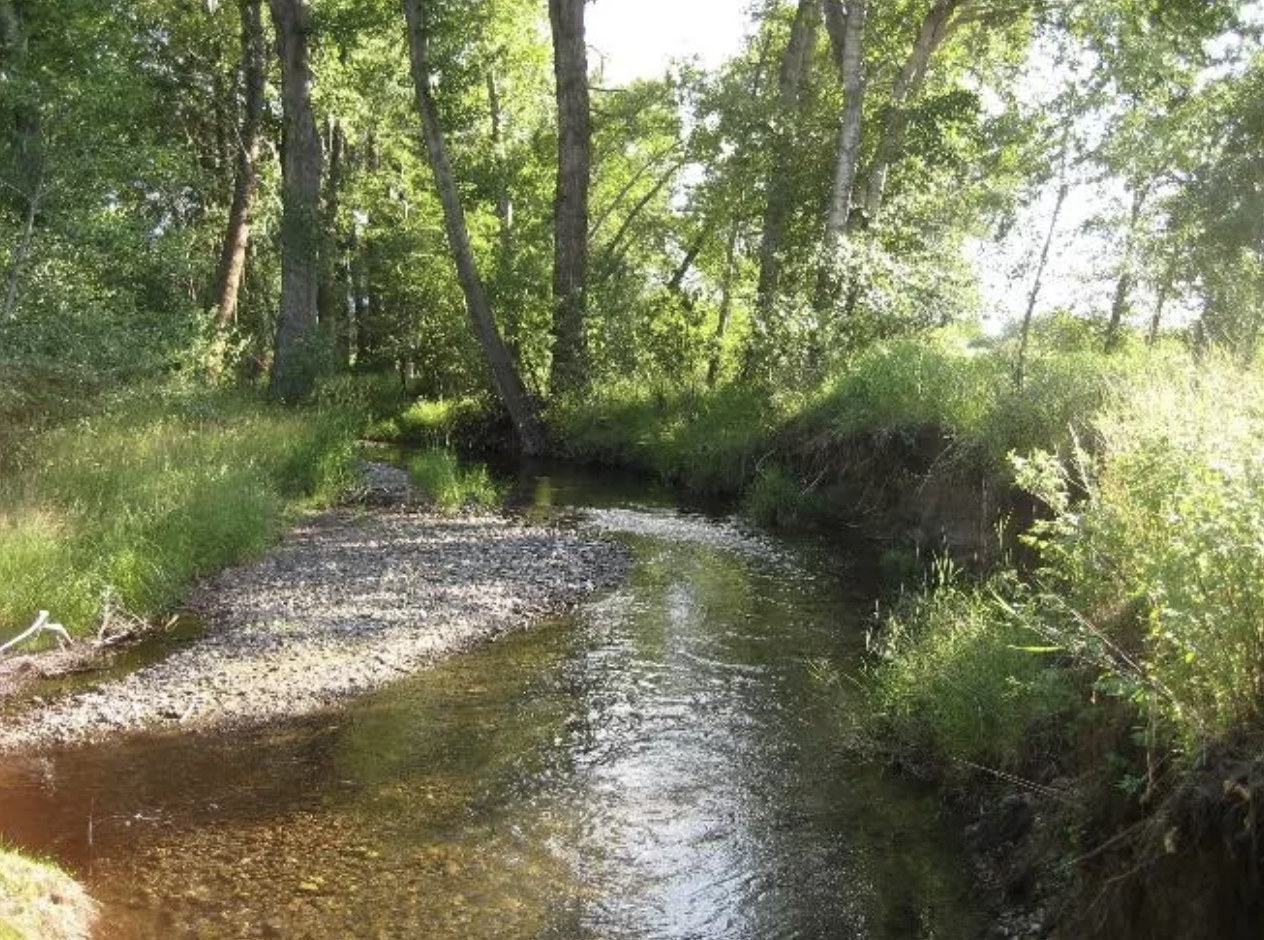
Six years of planning, engineering and community involvement restoredva more natural stream corridor through Bogert Park.
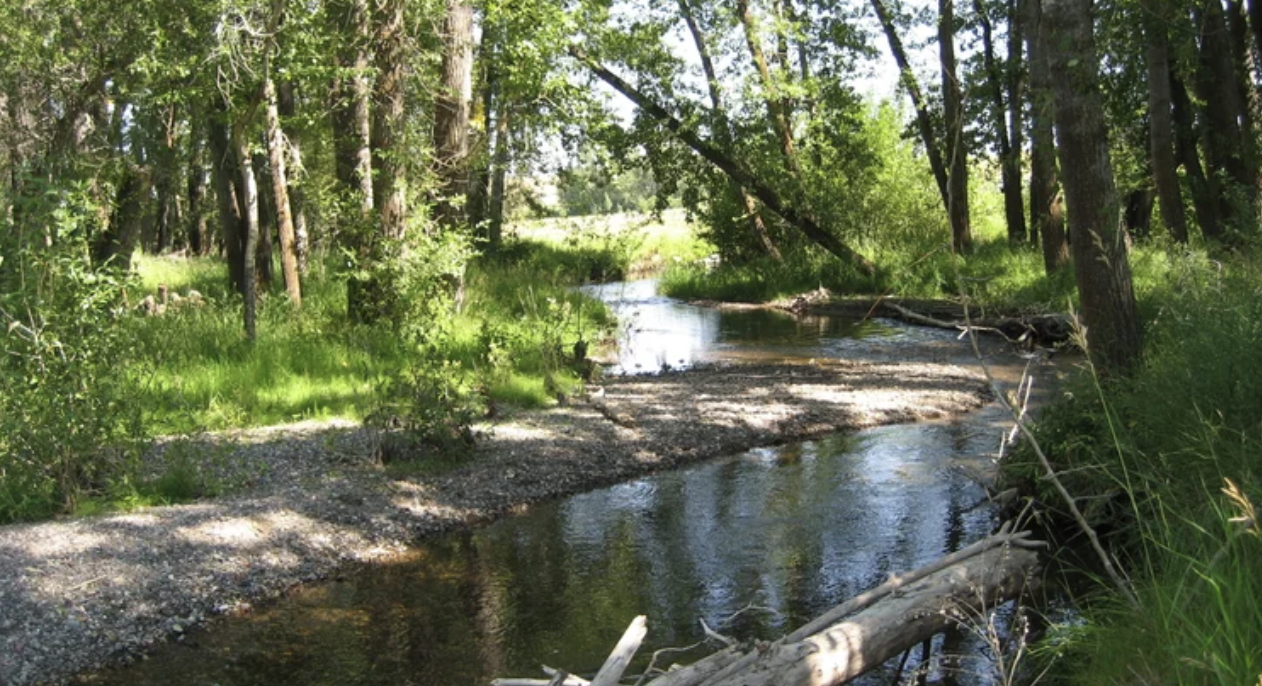
Natural Stream Corridor Along Bozeman Creek. Photo Credit: Gallatin Watershed Council
Bozeman Creek at Bogert Park Enhancement Project
The Permitting Process
Montana's Natural Streambed and Land Preservation Act, commonly known as the 310 Law, regulates activities that physically alter perennial streams within its jurisdiction.
The Bogert Park project described below involved channel reconstruction, floodplain work and bridge replacement, all activities that can require permits and coordination among agencies. These are the kinds of permits that you can apply for using Gilly.
The project team was responsible for obtaining the necessary approvals before construction began in September 2016.
The Challenge
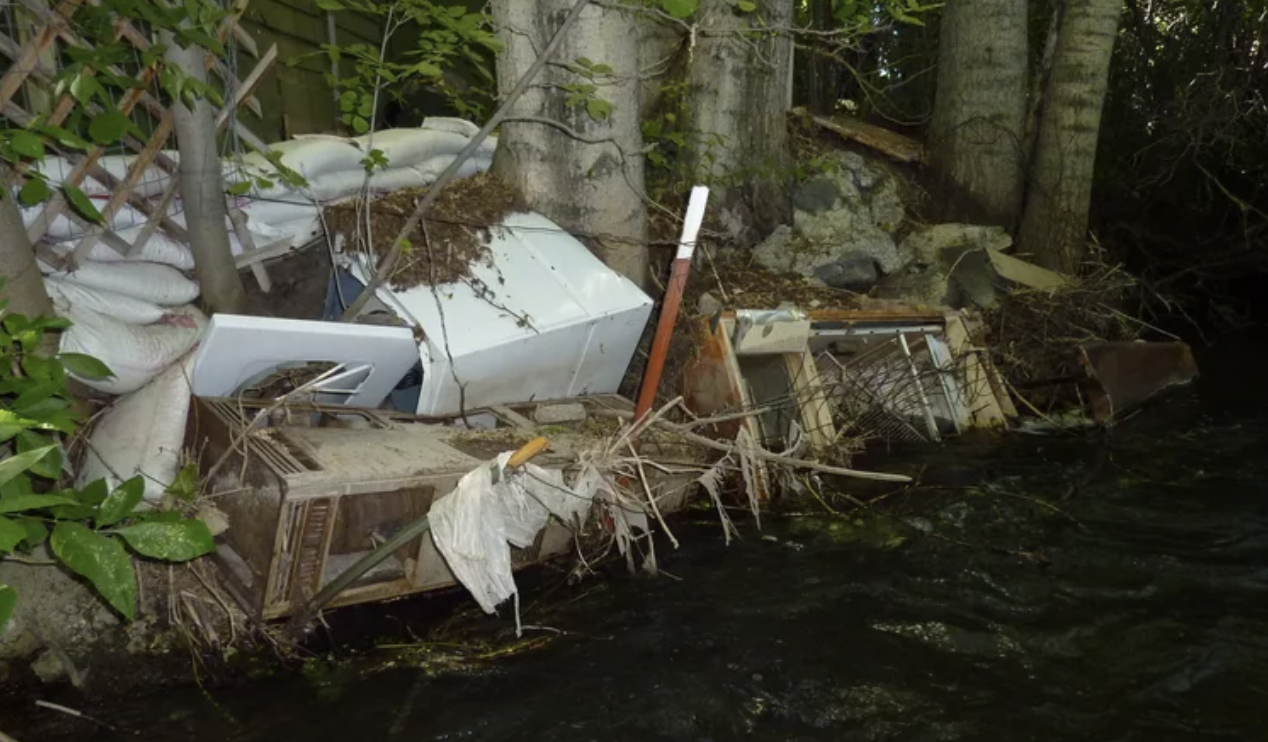
Bozeman Creek runs through the heart of Bozeman, but decades of development have altered its natural course. Sections have been straightened and narrowed, banks reinforced with rock and concrete and streamside vegetation removed. Downtown, portions of the creek run underground.
At Bogert Park, the creek had steep, unstable banks, limited vegetation and little connection to its floodplain. Fish habitat was poor, public access was difficult and high water presented safety concerns.

The Solution
The Bozeman Creek Enhancement Committee brought together the Greater Gallatin Watershed Council, City of Bozeman, Friends of Bogert Park, Gallatin Valley Land Trust, Montana Fish, Wildlife & Parks and other community partners to develop a long-term plan for the creek.
Gary Weiner of the National Park Service's Rivers, Trails and Conservation Assistance program helped organize the effort and work with landowners, some of whom had concerns about how the project would affect their properties.
Following two years of planning and public involvement, the City adopted the Bozeman Creek Enhancement Plan in 2012. Bogert Park was among the first restoration priorities.
The committee raised more than $660,000 toward design and construction, and the City took responsibility for implementation. Confluence Consulting led a multidisciplinary design team that included TD&H Engineering, Intrinsik Architecture, Nishkian Monks, Vaughn Environmental and Design 5.
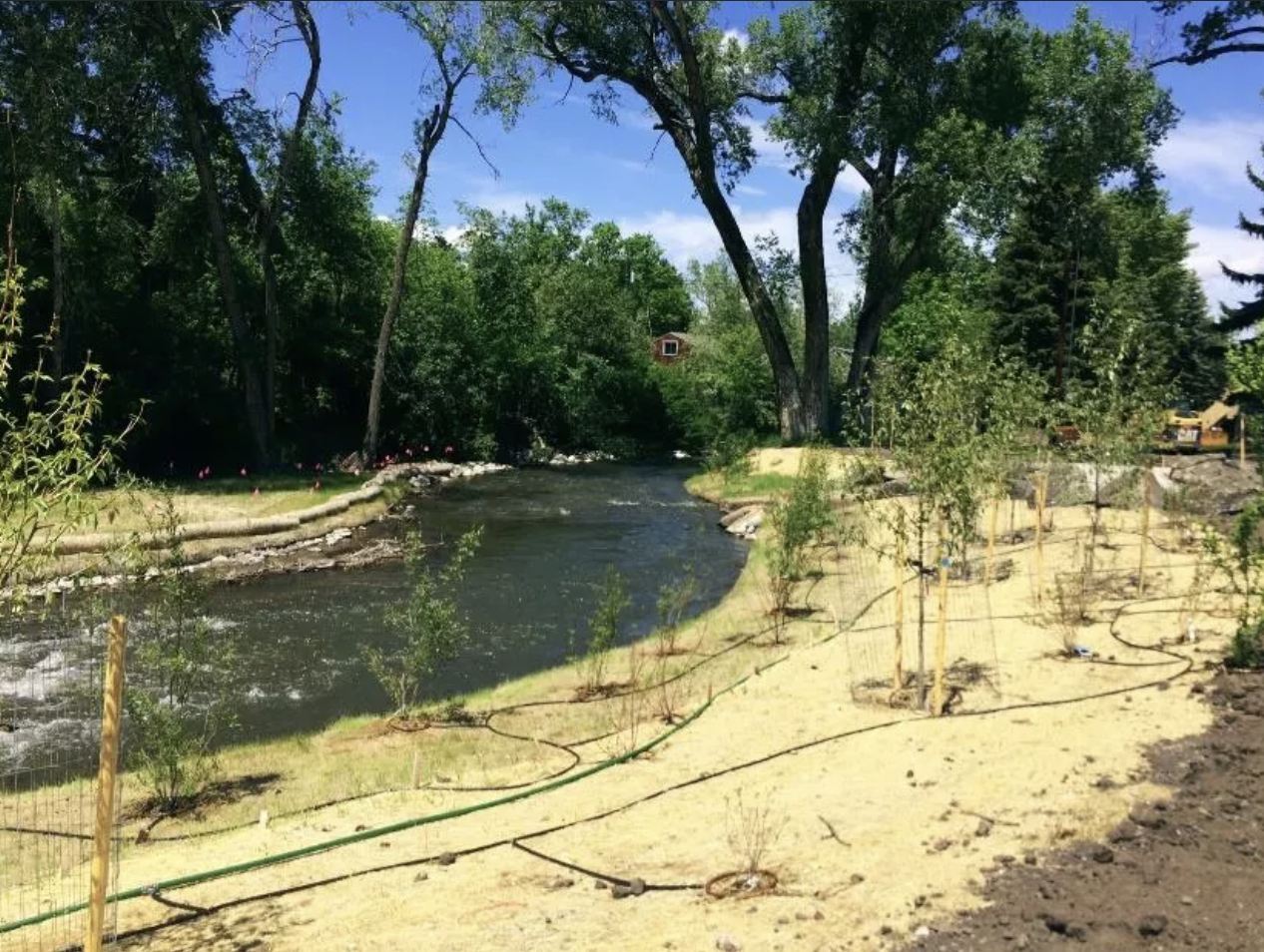
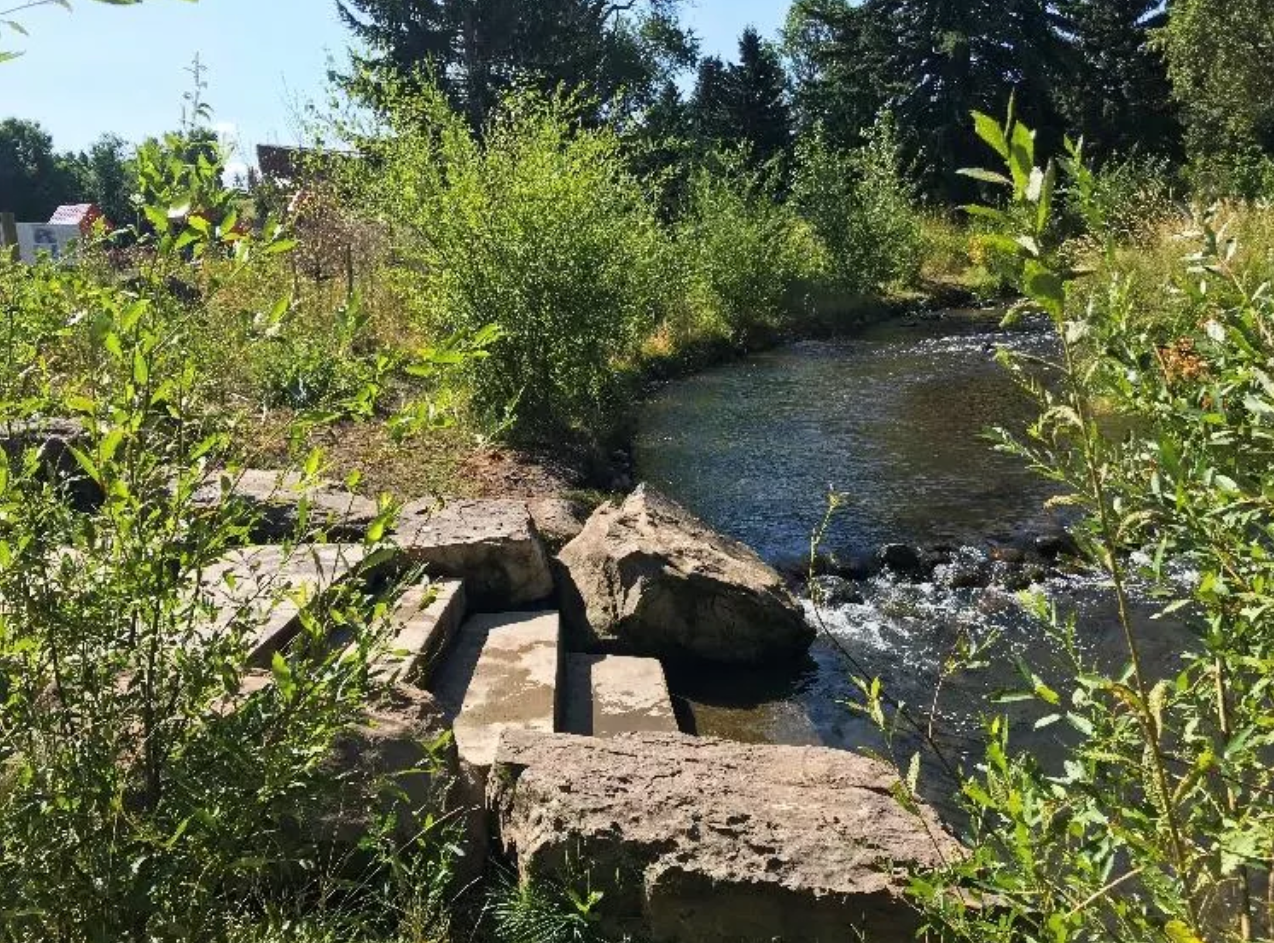
The restoration involved reconstructing the creek channel and floodplain, stabilizing banks and creating a secondary channel for high water. Engineers incorporated deeper pools, boulders and spawning gravel for fish habitat. Native vegetation, new trails, a pedestrian bridge and a designated stream access point completed the improvements.
The Result
820 feet of stream channel restored.
Completed in June 2017, the project replaced a straightened, degraded channel with a more natural stream corridor.
The reconstructed floodplain and secondary channel were designed to accommodate higher flows, while stabilized banks and native vegetation improved the riparian area. New pools, spawning gravel and boulders provided better habitat for fish. Trails, a pedestrian bridge and a stream access point made the creek easier to enjoy.
The project also received a 2018 Bozeman Beautification Award for Excellence in Exceptional Bridge & Stream Revitalization. The pedestrian bridge, designed by Intrinsik Architecture, received a 2019 AIA Montana Citation Award.
“…Nature had this right to begin with, lets engineer it to be the way nature intended it.”
– Mitch Overton, former Director of Parks and Recreation, City of Bozeman
The Work Continues
In 2024, the Bozeman City Commission supported a new Bozeman Creek Vision Plan, building on the original 2012 Enhancement Plan. The current effort focuses on flood mitigation, water quality, ecological health and public access along the urban creek corridor.
Project Details
Location: Bogert Park, Bozeman, Montana
Completed: June 2017
Stream restored: Approximately 820 feet
Project lead: City of Bozeman
Community collaboration: Bozeman Creek Enhancement Committee, Greater Gallatin Watershed Council, Friends of Bogert Park, Gallatin Valley Land Trust, Montana Fish, Wildlife & Parks, National Park Service and other community partners
Engineering and design: Confluence Consulting, TD&H Engineering, Intrinsik Architecture, Nishkian Monks, Vaughn Environmental, Design 5 and Applied Geomorphology (early conceptual planning)
Construction: Highland Construction Services
Permitting: Project-specific approvals to be confirmed
Project Partners & Sources
This Project Spotlight draws on project histories, engineering information and restoration records published by organizations involved in the work.